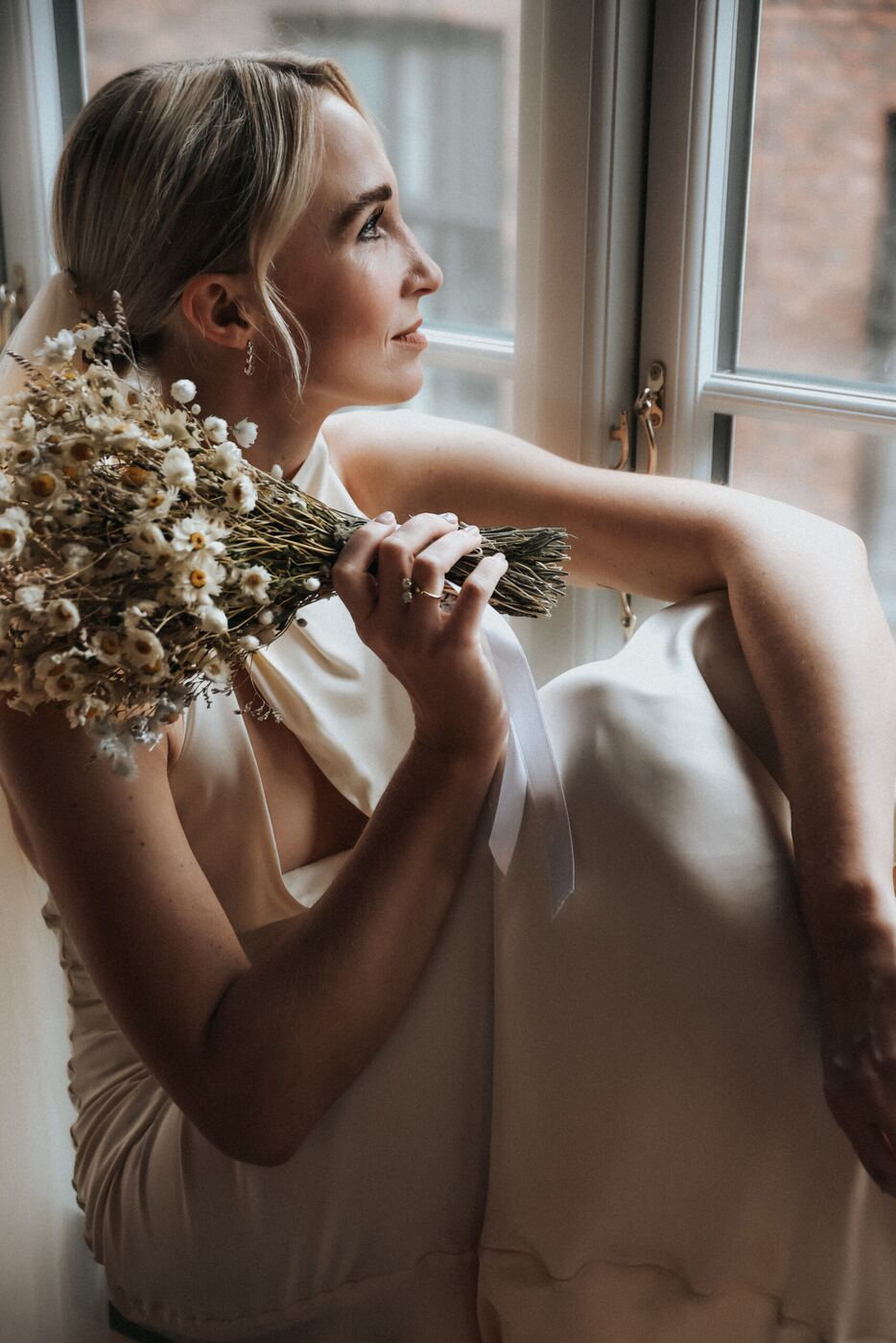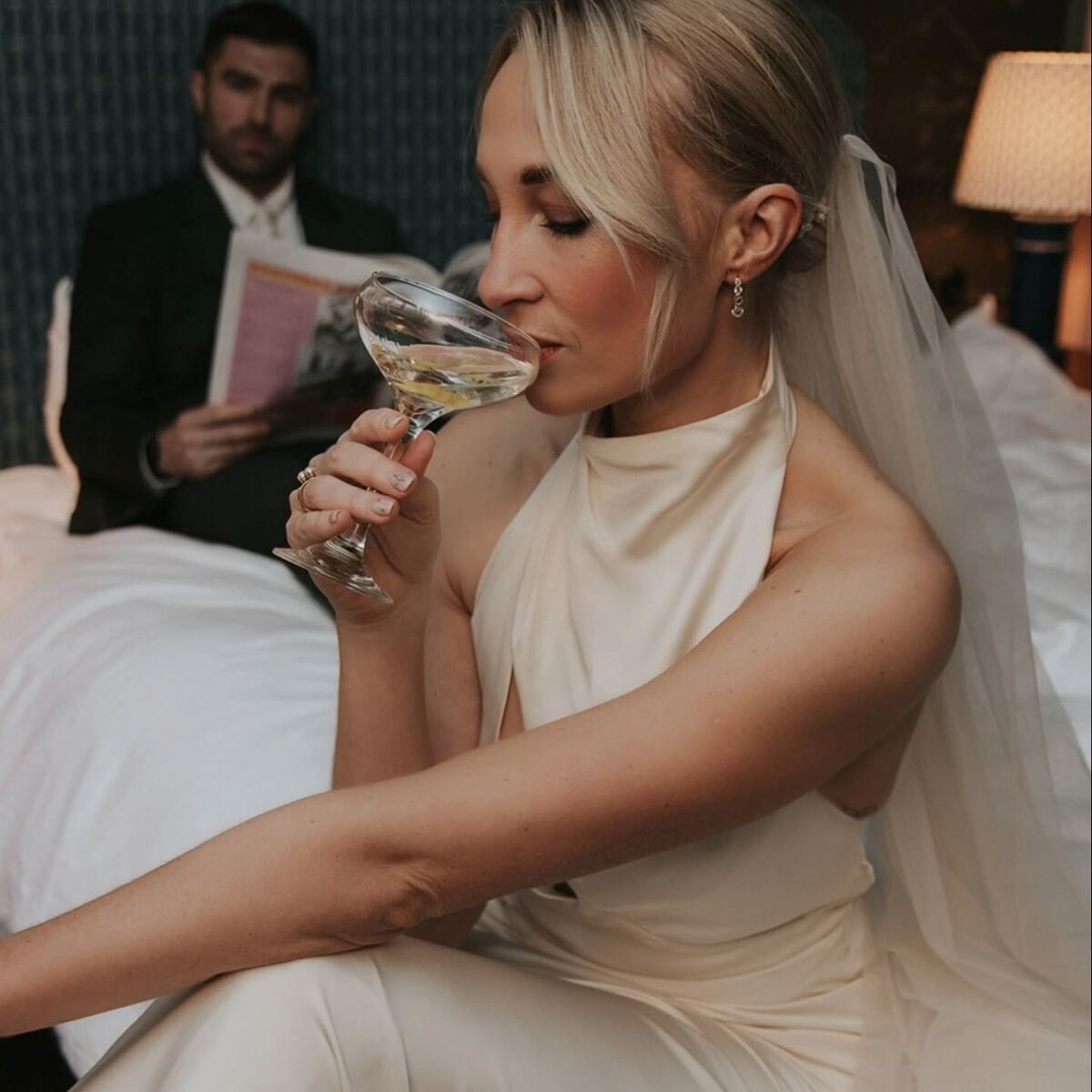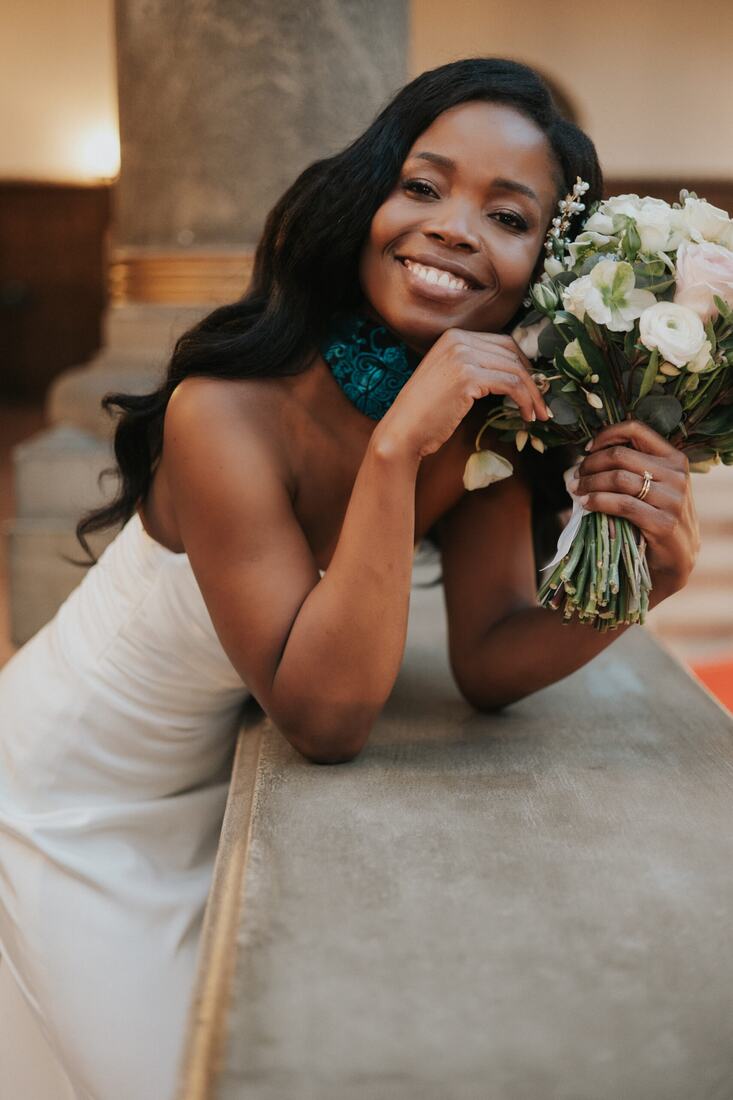
Photogenic bridal makeup is skin-first, softly matte where light hits hardest, free of SPF-heavy or reflective powders, and built with a little more definition than you would wear in a mirror. Test it with flash and on camera at your trial, because the camera sees colour, texture and light differently than your eyes do.
I am a makeup artist and a wedding photographer, so I spend my working life on both sides of the lens. I know what a face looks like in the mirror at 8 a.m., and I know what it looks like in a photograph at 4 p.m. They are not always the same face, and good bridal makeup plans for both.
Why makeup looks different in photographs
A camera records light, not beauty, so makeup that looks perfect in a mirror can look flat, shiny or grey in a photograph. Cameras flatten dimension, exaggerate shine and shift colour, which is why photogenic brudemakeup is built a little differently.
Since 2011 I have been creating images, and the lesson I come back to is simple: texture and light decide everything. Skin that glows softly in daylight can turn into a bright patch under flash. A warm blush can read as orange. A pale lip can disappear. When I plan a look, I think about the light your day will actually have, from a window-lit morning to an evening party.

Flash and flashback: the one thing to check
Flashback is the pale, ghostly cast that appears on the face when certain ingredients bounce a camera flash straight back. The fix is to test your base and powder with flash before the wedding, not on the day.
Some SPF formulas, setting powders and highlighters contain light-reflecting particles. Under a phone flash or a guest’s camera in a dark venue, they can make the face look chalky. Here is the simple test I recommend:
- Apply your full base, concealer and powder as planned.
- Take a photo with flash in a dim room, straight on.
- Compare it with a photo without flash.
- If the flash photo looks pale or ashy, change the powder or the base before the wedding.
This is exactly what a trial session is for. Trial pricing is on request, and you can ask about it on the contact section. I also explain the whole idea in my bridal makeup trial guide.
SPF and your wedding day
You should still protect your skin, but choose your sunscreen with the camera in mind and test it first. Apply it well ahead of makeup and let it settle.
Wear your usual daily SPF in the morning, then give it several minutes to sink in before primer or foundation. If your SPF leaves a white cast in photographs, we can swap it for another formula at the trial. I do not make medical claims about skincare, so for sensitive or reactive skin, speak to your own dermatologist about what suits you. For the weeks before the wedding, my bridal skincare timeline covers a gentle routine.
Contour and definition without heaviness
For photographs, I add a touch more shape than you would wear on a normal day, but I keep it soft and blended. The goal is dimension that looks natural in a photo, not stripes that show up in a close-up.
- Cheeks: a soft, cool-toned shadow just under the cheekbone, blended up and out, plus a blush placed slightly higher.
- Nose and forehead: only a whisper of shading, if any.
- Brows: brushed up and softly filled, because brows frame the face in every shot.
- Highlight: placed on the high points only, with a satin finish rather than glitter.
I work with trusted brands such as Dior, Chanel, Tom Ford, Estée Lauder, YSL, Huda Beauty, MAC and Bobbi Brown, choosing textures that blend into skin instead of sitting on top of it.
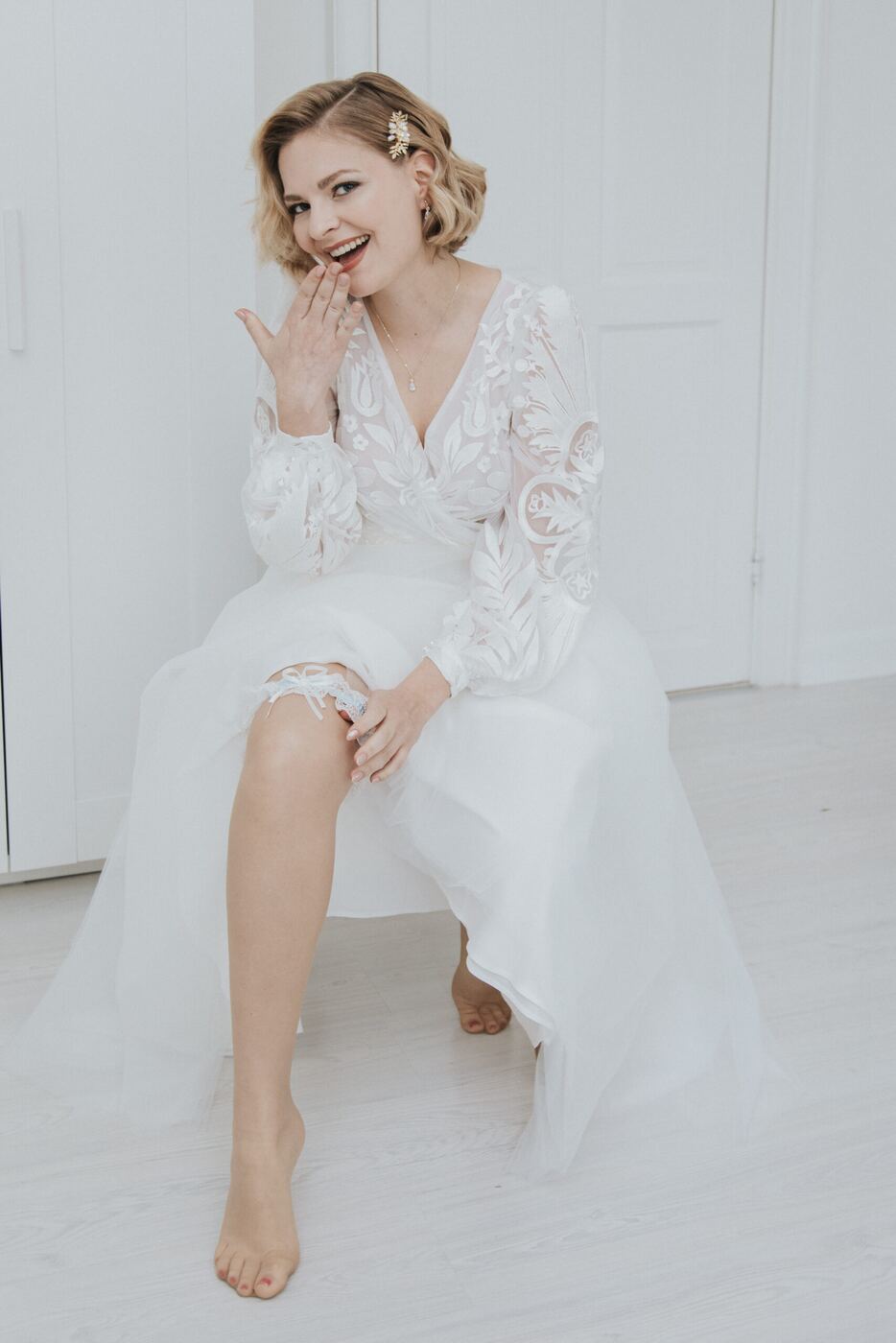
Lashes that frame, not overpower
Lashes should open your eyes in photographs without looking heavy. A defined, natural lash line usually photographs better than a very dramatic one, unless modern glamour is the look you love.
I often recommend a soft, wispy strip or individual lashes with a lightweight curl, and a waterproof mascara for the base. Tears of joy are almost guaranteed, so waterproof formulas are your friend. Keep lash glue fresh and let it set fully so nothing lifts by the evening. If you cry easily, tell me at the consultation and we will plan for it. Danish weather can add its own challenges, which I cover in my post on wedding makeup in Danish weather.
Lips and cheek colour that read well on camera
Choose lip and cheek colours that keep their shade in photos. Very pale nudes can vanish, and very orange tones can turn warm under indoor lighting.
A rosy, slightly deeper-than-natural lip with a soft edge works for most looks. For classic elegance, a muted red or berry can be beautiful, especially if your dress is white and your photographer favours warm light. We choose together at your trial, in real light and on camera.
Planning for black and white photographs
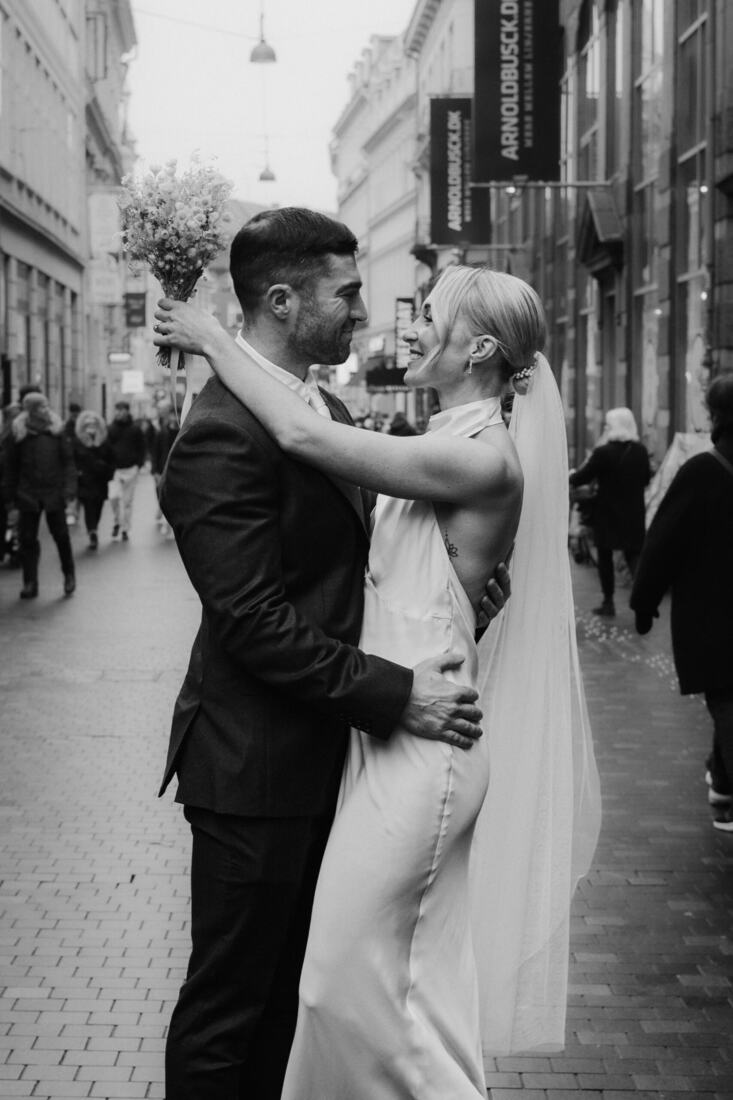
In black and white, colour disappears and only tone and texture remain. Makeup for monochrome photos should therefore focus on even skin, defined eyes and clear lip depth.
- Skin should look smooth and healthy, with no heavy powdering.
- Eyes need enough contrast, so a soft smoky edge or defined lash line helps.
- Lips will show as a shade of grey, so depth matters more than hue.
- Blush adds shape even when the pink itself is gone.
Many couples love a few black and white frames, so I always build a look that works both ways.
Keeping the look fresh from ceremony to party
Photographs happen from the first look to the last dance, so makeup needs to last. A long-lasting finish and a small touch-up plan keep you camera-ready all day.
An optional all-day touch-up service is available on request, where I refresh makeup after the ceremony and before portraits. If you prefer to do it yourself, my bridal touch-up kit guide lists what to carry. You can compare standard options on the packages section, where the complete Bridal Makeup & Hair experience is €300.
Whatever the look, my aim is the same: beauty that lasts as beautifully as the memories. If you want makeup designed by someone who also thinks like your photographer, get in touch and we will plan it together.
Quick questions
What is flashback in wedding makeup?
Flashback is a pale or ashy cast that appears in flash photos when certain powders, SPF formulas or highlighters reflect the light. A trial session with a flash photo helps you catch it early.
Should bridal makeup be heavier for photographs?
It needs slightly more definition than everyday makeup, mainly on brows, eyes and cheeks, but it should still be blended and skin-first. Heavy layers tend to look worse up close.
Does makeup look different in black and white photos?
Yes. Colour disappears, so tone, texture and contrast matter most. Even skin, defined eyes and lip depth are the priorities.
Can I test my makeup on camera before the wedding?
Yes, a trial session is the right moment. Trial pricing is available on request.