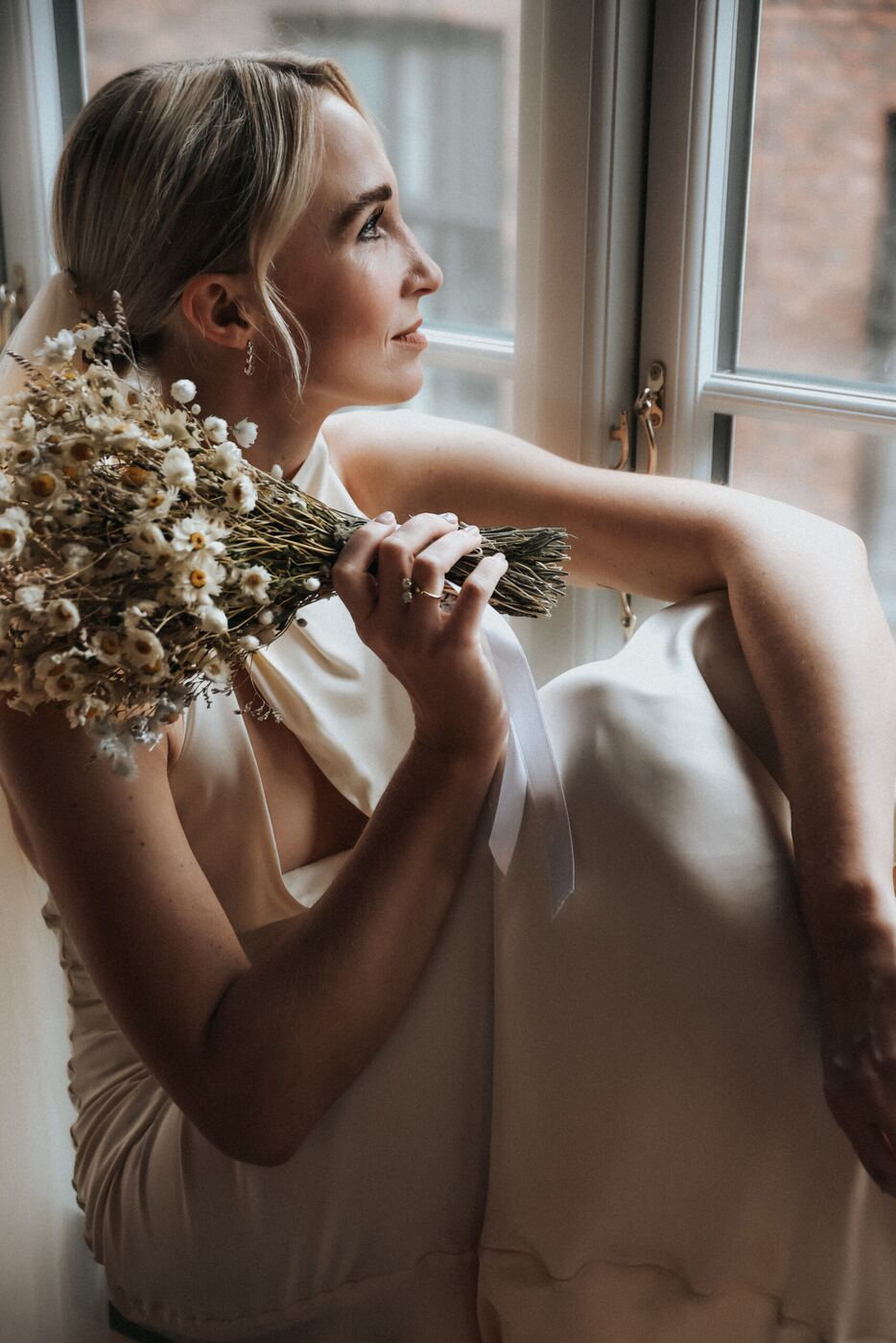
Style your veil, pins, combs and flowers around the hairstyle, not the other way round. Decide the hair first, anchor the veil securely at the right height, add accessories sparingly, and test everything at a trial so it stays comfortable, secure and photogenic all day.
The right accessory turns a good bridal hairstyle into your bridal hairstyle. The wrong placement, though, can sag, pull or disappear in photographs. Here is how I think about veils, pins, combs and fresh flowers when I style brudehår.
Start with the hairstyle, then choose the accessory
The hairstyle should always come first, because it decides where an accessory can sit securely. A veil on a sleek low bun needs a different plan than a veil on loose romantic curls.
My bridal hair ranges from soft romantic curls and sleek modern buns to relaxed bohemian styles and timeless updos. Each one offers different anchor points. A bun gives a strong base for a comb. Curls leave room for a half-up section where a veil can be pinned. Bohemian styles welcome flowers woven through the length. Bring your dress details to the consultation so we can match the neckline, back and fabric to the style.
How to style a veil
Veil placement depends on the look: high on the crown for drama, mid-back for a classic line, low under a bun for a modern feel. Whatever the height, the veil needs a firm anchor before the finishing touches.
- Crown placement: the veil sits above the bun or half-up section and creates a graceful outline. It suits ceremonies where you walk a long aisle or staircase.
- Mid-back placement: the comb sits just above the bun, so the veil falls behind the hairstyle without covering it.
- Low placement: the veil sits beneath the bun, which keeps the shape of the style visible from behind.
Bring the veil to your trial. Its length, weight and edge change how it hangs. A heavier cathedral veil may need more pins than a light single-tier veil. If you plan to remove the veil after the ceremony, we should choose a method that releases easily without disturbing the hair.

Pins and combs: the hidden hardware
Pins and combs do the real work, so choose them for hold first and appearance second. Small, well-placed pins in your hair colour are invisible and strong.
- Match pin colour to your hair so they vanish in photographs.
- Cross two pins in an X to lock a section in place.
- Insert combs against the direction of the hair, then slide them in toward the scalp.
- Tuck the comb teeth into a firm section, such as the base of a bun or a backcombed area.
- Test by tilting and turning your head, then add a pin if anything moves.
Decorative pins, pearls and jewelled combs can sit on top as feature pieces. If you plan on dancing, tell me, because I will add extra security without adding visible bulk. My overview of bridal hair trends shows how many styles carry accessories.
Fresh flowers in bridal hair
Fresh flowers look romantic and soft, but they are living things and need planning. Order sturdy varieties, keep them hydrated, and arrange them as the last step of the hair.
- Ask your florist which blooms last best out of water for several hours.
- Have the flowers cut short, with wire or floral tape on the stems, so they can be tucked in securely.
- Bring a few extra stems in case one is damaged.
- Keep them in a cool place until the hair is ready.
I can place the flowers for you as part of the optional veil, pins and flowers styling during the wedding morning. Flowers on a summer beach day or in a manor garden behave differently, and my summer wedding on Zealand guide covers what warm weather does to hair and blooms.
Headbands, clips, pearls and other accessories
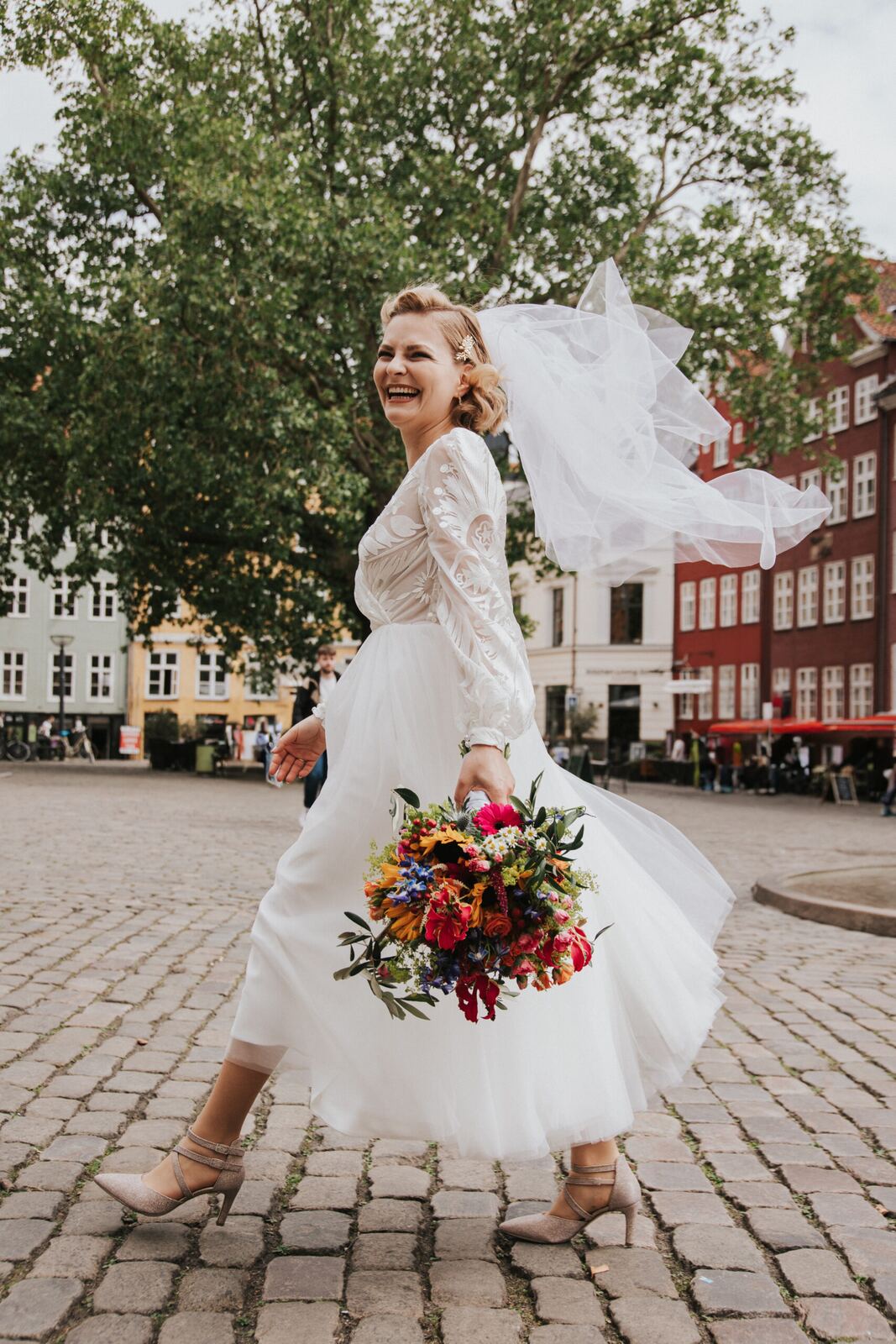
If you prefer something smaller than a veil, a headband, clip or pearl pin can add polish with less fuss. Keep one statement piece and let the rest of the hair stay simple.
A good rule is one hero accessory per look. If your earrings are large, a smaller hair piece balances them. If your dress has intricate lace or beading, a minimal pin may be enough. Hats and fascinators need special planning, because the hat pin has to be anchored into the hair structure. Bring the exact item to the trial, never a similar one.
Testing and trial: where details get solved
A trial is where we test hold, weight, comfort and photographs together. It is the best moment to discover that a comb is too heavy or a veil sits a little low.
At the trial we can try the hairstyle with every accessory, take photos from the front, side and back, and move around as you would at the wedding. Trial pricing is on request, so send me a message and we will arrange it. For preparation, see my tips on wedding hair prep.
On the day: pinning, removing and keeping it fresh
Accessories go in last on the wedding morning, once the hair and makeup are complete. If you want the veil removed after the ceremony, we plan the order so the hairstyle holds on its own afterwards.
My process starts a few hours before the ceremony with time for breaks, and I come to your home, hotel or venue. For the optional all-day service, I can adjust pins, replace the veil or refresh flowers between ceremony, portraits and the party. Bridal Hairstyling is €180, or Bridal Makeup & Hair together is €300; see the packages section for details.
Quick questions
Should I put the veil in before or after the hairstyle?
The hairstyle comes first, and the veil is pinned in last. That lets me anchor it to a secure section and adjust the height.
Can fresh flowers stay in my hair all day?
Many can, with sturdy varieties, short stems and careful placement. Ask your florist which blooms hold up best, and bring spare stems.
Do I need to bring my accessories to the trial?
Yes, bring the exact veil, comb or pins. Weight and shape change how they hold, so testing the real pieces avoids surprises.
Can you remove the veil after the ceremony without ruining my hair?
Yes, if we plan it in advance. I choose a placement that releases easily while the hairstyle stays intact.